Four Ways to Prepare for Heightened Market Volatility
Many investors know that managing volatility is central to achieving essential financial goals. But how much should you worry about volatility, and what can you do to prepare for it? Volatility represents the ups and downs of asset prices over time. And quite often it’s not the volatility that you should be worried about as it is periods of heightened market volatility.
What’s more, human expectations about the future tend to influence asset price movements. And it's during periods of changing expectations and uncertainty that asset prices swing wildly. Being aware of the narratives driving the markets and having a plan in place before they change is central to financial success. The bottom line is that if you're unprepared for periods of heightened volatility, you might be exposing your savings to unnecessary losses.
#1 Become Familiar with Volatility
Volatility is a normal part of investing. Asset prices do not move up in a straight line but tend to ebb and flow as they appreciate over time. Volatility is the price that you pay to earn a return on your investment. Indeed, what should be at the top of your list of in terms of investing concerns is not volatility itself, but periods of heightened volatility. Before diving deeper into the topic, let's explore some basic concepts.
One way to quantitatively measure volatility is through a mathematical standard deviation of an asset's return. This measure describes the historical tendency for prices to swing up or down versus their long-term average. The higher the standard deviation, the higher the volatility. This understanding is essential because the wider the swings in price returns relative to their long-term average, the less certainty you may have about future returns from one period to the next. And less certainty tends to go hand in hand with higher investment risk.
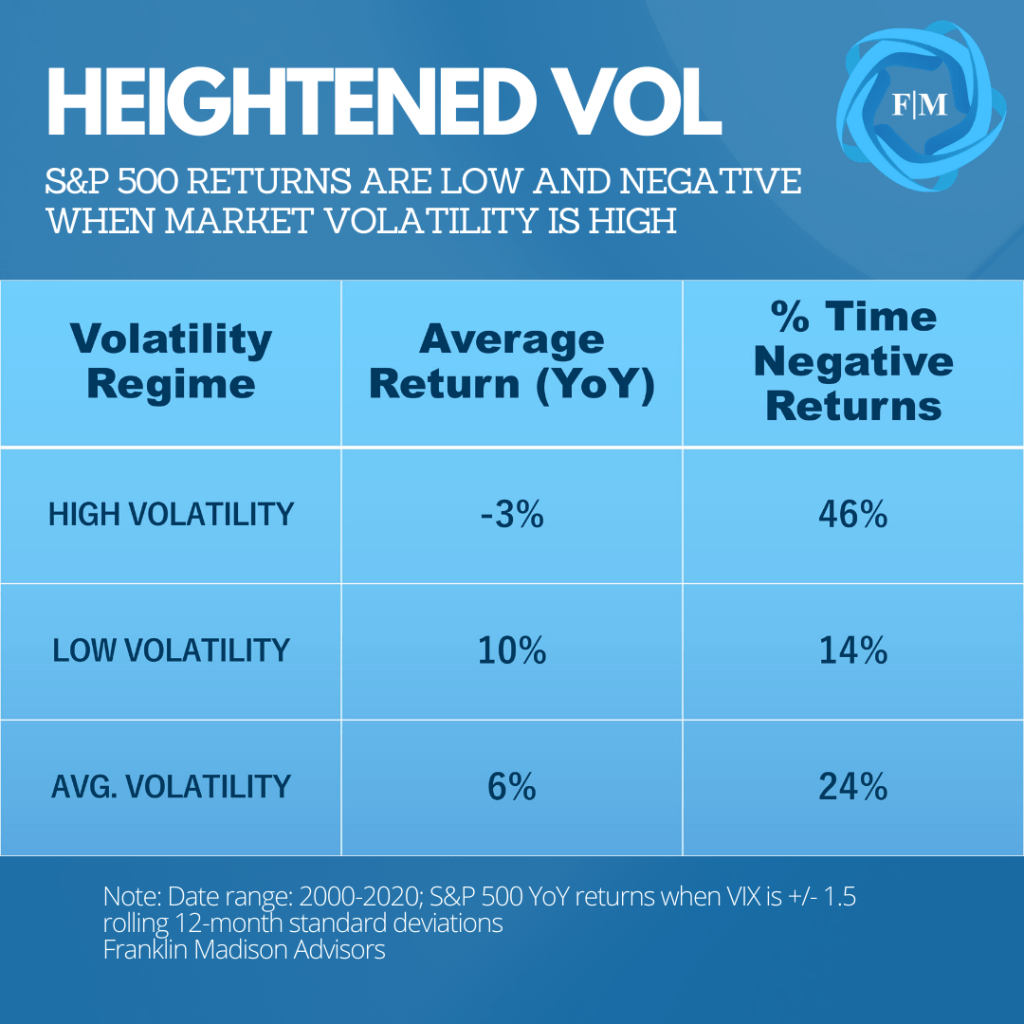
Let's look at an example. From the turn of the century, the S&P 500 index has averaged a modest yearly gain of about 5.3%. This average return, however, masks some of the sharp market moves over the past two decades. If we looked at periods when market volatility was elevated during this time, the S&P 500 returned an average year-over-year loss of -3.3%. However, periods of lower volatility were associated with a higher average annual gain of around 10%.
The takeaway here is that volatility can be used to generate investment returns, mainly when it is low. More crucially, however, history tells us that sudden moves higher in volatility can detract from those returns. Therefore, awareness of the potential impact of a sudden rise in market volatility is vital to improving your investment outcomes.
Source: Broadview Macro Research
#2 Understand Volatility Trends
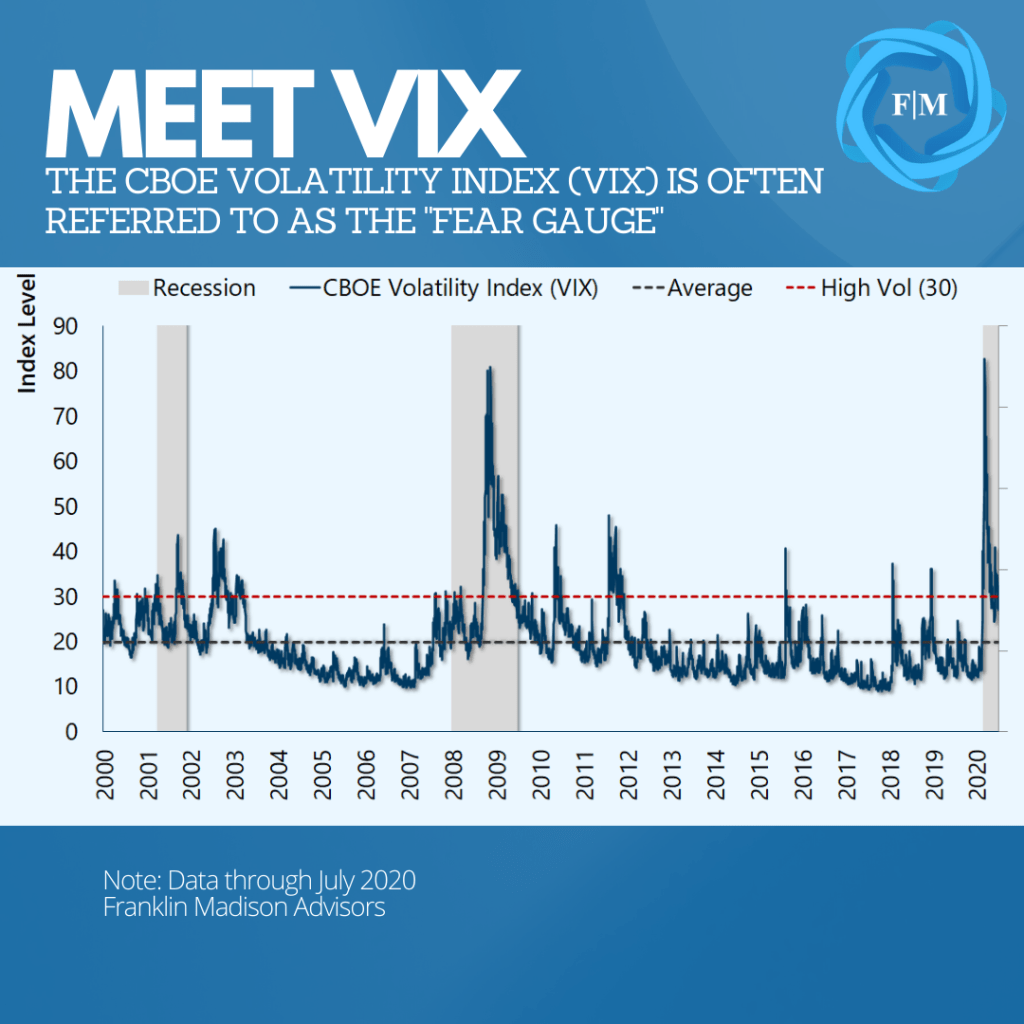
Another way to look at volatility is through market participants' expectations about the future. One widely tracked measure of such expectations is the VIX. The CBOE Volatility Index (VIX) uses a sophisticated method to express the future implied moves of the S&P 500 index. Often referred to as a "fear gauge," sudden moves higher in the VIX are often associated with periods of uncertainty and heightened market volatility.
Compared to the backward-looking statistical measure of volatility mentioned earlier, the VIX is forward-looking. It is also based on investor's directional expectations of the S&P 500 in the month ahead expressed through options market activity. A higher reading generally reflects greater pessimism about the expected direction of the markets.
Over the past two decades, the reading on the VIX has averaged a level of around 20. During the height of the Global Financial Crisis, VIX shot up to a level of 80 and, more recently, bested in February by the uncertainties related to the COVID19 pandemic. Historically speaking, a level below 20 has been consistent with favorable market conditions. A reading above 30 tends to occur during down moves in the market. Why is VIX important?
If you don't know where you are, then it becomes that much harder to figure out where you might be heading. From a volatility perspective, VIX offers a simple way to know how much uncertainty might be priced into the markets at a given time. This understanding is useful before making investment decisions, particularly when history has shown that higher levels of volatility are associated with the potential for lower returns.

Source: Broadview Macro Research
#3 Anticipate Changing Narratives
While financial markets are often viewed as a singular entity, the truth is that they are composed of thousands of assets, each with a host of participants. While algorithmic (computer-based) trading plays an increasingly essential role in the markets, the value of an asset is primarily driven by what human buyers and sellers think it's worth.
Investors are more inclined to bid up prices when they feel confident about the future. For example, when there is certainty about a company's earnings prospects, the policy environment, and the economy's health, asset prices tend to grind steadily higher, and volatility remains low. However, during times of uncertainty about these factors, investors are less willing to pay more for an asset, prices fall, and volatility rises.
One way to measure broad expectations about the economic and policy environment and its potential impact on earnings is by evaluating work compiled by researchers at Northwestern, Stanford, and the University of Chicago. Their Economic Policy Uncertainty Index brings together three components that track 1) news about the economy, 2) tax policy changes and 3) economic forecasts. Their research aims to provide a quantitative measure of what is often a qualitative event (feeling uncertain).
When comparing this measure against the VIX, the data confirm what we know intuitively from a historical perspective: market volatility tends to rise during times of heightened economic uncertainty. From an investment perspective, when uncertainty rises, market participants often change their expectations about the future. And it's during this time of shifting expectations when the price of an asset that may have otherwise seemed reasonable an hour, day or week ago comes into question.
Look for Changes in the Narrative
These periods of uncertainty are driven by a catalyst that often takes time to develop, and that's why measures like the Economic Policy Uncertainty index can help. We only have to look back to the events in February to see how this relationship between uncertainty and heightened volatility played out. Coming into 2020, concerns about a recession had been on the rise, yet many economists expected only softer overall US growth.
In February, however, this hopeful view on the economy changed as Chinese provinces were under lockdown amid a healthcare crisis while the US began reporting rising COVID19 infection rates. As large parts of the US went into lockdown, prospects rose of a deep economic downturn, fueling a volatility spike by late February and ushering in one of the sharpest market selloffs in history.
The point here is that market sentiment is regularly driven by a broad story that is often evident in many quantitative indicators. When factors that support the dominant narrative are challenged, market participants that had been prepared for one set of developments may suddenly change their market positioning to re-evaluate their investment thesis.
When the story changes, the market direction will likely go along with it. Being aware of the narrative driving market sentiment, potential inconsistencies in the story, and how individual market participants might respond can help you better anticipate periods of heightened market volatility.
#4 Know What You Own
Another vital point to understand about volatility is that not all financial assets behave the same way when volatility rises. During periods of heightened market volatility, assets with higher risk levels tend to see wider price swings.
To this point, it is generally understood that stocks are riskier than bonds. This is because equity holders often share in the benefits of company ownership, like stock price appreciation and earnings paid out in dividends. During times of financial distress, like a bankruptcy, however, bondholders are often first in line to be paid back while equity holders might lose a sizeable share of their investment.
Other factors, like the type of issuer (government vs. private sector), company size, market characteristics, and country of domicile, all affect an asset's risk characteristics. Taken together, the higher the likelihood that these factors might expose an investor to a loss, the higher an asset's level of expected risk.
When uncertainties rise and market volatility spikes, individuals holding riskier investments are likely to experience wide swings in asset prices. How do we know this? Well, take, for example, the March market selloff. During the first quarter, the S&P 500 experienced a historic price drop of 20%. At the same time, US government bonds rallied nearly 8% as market participants shed risk assets in preference for perceived safe havens.
The critical takeaway here is that higher-risk assets tend to underperform when uncertainties arise and volatility spikes. If you're anticipating higher market volatility levels, then it's vital to know what you own. Understanding your risk exposures may enable you to trim less favorable holdings and align your investments with your long-term goals ahead of a rise in market volatility.
Source: Broadview Macro Research
Improve Your Volatility Preparedness
We've addressed the various characteristics of volatility and its impact on the markets and investing. So, what can you do to help mitigate the effects of heightened market volatility in your investment portfolio?
Here are three suggestions:
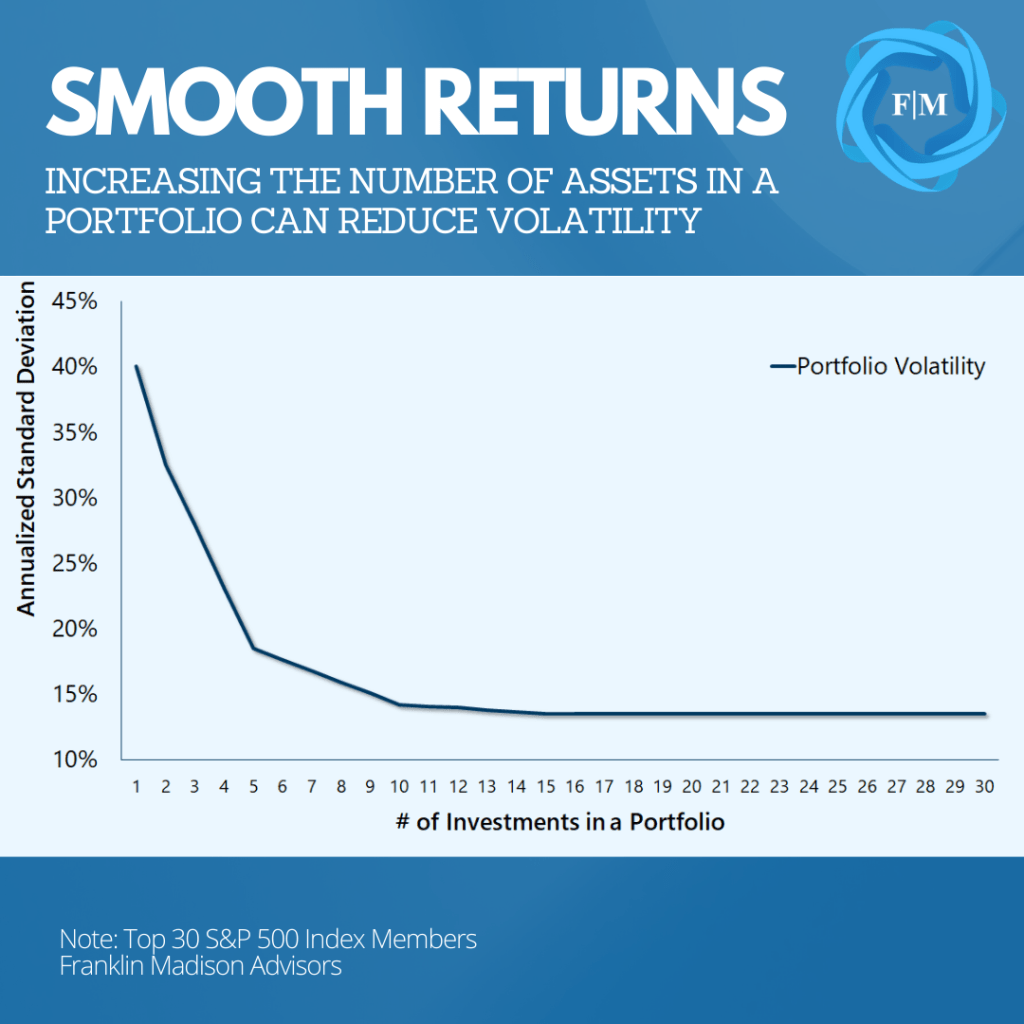
First, don't put your eggs in one basket. As we've written about recently, diversification is one crucial way to reduce portfolio volatility and smooth out investment returns for the long term. Studies have shown that increasing the number of securities held can reduce overall volatility in an investment portfolio. Therefore, if your goal is to invest for the long term, be sure to diversify your portfolio across various securities and asset classes to help reduce risk.
Second, build situational awareness. It's easy to get caught up in the market's daily price action or stay focused on a particular asset when your investments are doing well. Even so, markets are often driven by one or more underlying stories that can evolve. And it's at those turning points in market narratives where volatility tends to spike. That's why it's critical to stay informed about broadly relevant market topics so that you don't get caught unprepared when they change.
Finally, have a plan and act accordingly. Start with knowing what you own. Then, try to anticipate how those assets might perform during wild market swings and adjust your holdings accordingly. Heading into a period of heightened market volatility, it's also vital to have a higher level of cash on hand. Doing so accomplishes two ends. One, it reduces the likelihood that you'll need to sell an investment at an inopportune time to pay for necessary expenses. And two, it may allow you to have dry powder on hand for an opportunity to add discounted assets to your investment portfolio.
Volatility is a normal part of investing. It's the price you pay to earn an investment return. That's why what should be at the top of your list in terms of investing concerns is not volatility itself, but periods of heightened market volatility.
Whether you measure it using backward- or forward-looking means, the fact is that spikes in volatility are often drive by changing human expectations about the future and associated with lower investment returns. Being aware of the narratives driving the markets and having a plan in place before they change is central to investing success. The bottom line is that if you're unprepared for periods of heightened volatility, then you might be exposing your savings to unnecessary losses.

What’s the Best Way to Protect Your Hard-Earned Wealth?
What’s the best way to protect your hard-earned wealth? That’s the million-dollar question that’s on a lot of people’s minds right now. The fact is that the coronavirus has demonstrated in absolute terms how an unexpected event can quickly take away your earnings ability and deplete your life savings.
Events surrounding the coronavirus have also demonstrated how life’s surprises can come at you from all directions. And when they do, your ability to build enduring wealth can evaporate in the blink of an eye. So how can you protect your hard-earned wealth today?
Figure 1: Our Risk Management Process

Source: Broadview Macro Research
Well, we believe that one way to prepare for life’s unexpected events is to incorporate a disciplined risk management process into your wealth management framework. This involves identifying outstanding risks, using tools to mitigate these threats and monitor for evolving challenges to your wealth.
Risks to Creating, Growing and Preserving Enduring Wealth
Before we dive into our discussion on the methods you can use to protect your wealth. Let’s take a closer look at some of the ways that risks may come your way.
Risk – a situation involving exposure or danger
The word “risk” can mean many things to many people, so we’ll frame our discussion on the topic within the context of our wealth management framework. As you’ll recall from our previous reports, the wealth management framework focuses on the actions you need to take today to build enduring wealth over time.
Figure 2: Our Wealth Management Framework

Source: Broadview Macro Research
This includes: 1) being intentional and efficient with your time and resources, 2) making your money work for you and 3) the topic of today’s discussion: taking steps necessary to protect your hard-earned money from both expected and unexpected events.
Indeed, the wealth management framework is just one tool you can use to build wealth. But the reason we believe that it's important is that it’s a disciplined process that can help you create, grow, and preserve financial wealth for the long-term.
Being Risk Aware: Creating Wealth
The aim of our wealth creation process centers on steps necessary to generate a productive source of financial savings. These actions include being intentional with your money, maximizing your value to others and optimizing your net worth.
Your goals during this time should be to hone your innate talents and abilities and leverage a systematic, disciplined process to build a solid financial base. Now, what would you do if your ability to create wealth became impaired? For some people, COVID-19 has done just that.
Many of us spend a lot of time thinking about various ways we can get ahead and produce results. And often we do this without really giving much thought to what could derail our efforts or take us out of the game completely.
As of this today's publishing date, Coronavirus infections continue to rise across the US. And there’s no doubt that the outbreak has impacted many lives in many different ways. The current events also illustrate the kind of risk awareness you must have if your goal is to produce enduring wealth during the creation process.
Figure 3: U.S. Unemployment Rises to a Post-War Record

Source: Broadview Macro Research
More specifically at this stage, your awareness should focus on identifying risks that can impede your ability to earn an income and address hazards that can impair the value of assets you use to grow wealth. So, what are some of these risks?
Well, we’re talking about events that could lead to short term or long-term disability, property damage, lawsuits, and in some cases, death. We’ll talk about measures you can take to protect yourself against such events in just a moment. But the point here is that you need to develop an awareness of the risks that could derail your ability to create wealth before they even happen.
Being Risk Aware: Growing Wealth
Sustaining your disciplined wealth creation habits and then using 1) your base of savings, 2) a rate of return, and 3) some time to make your money work for you are the goals of the growing wealth process.
The obvious risks to growing wealth are financial market volatility and other losses related to investing. With that said, there more insidious threats working against you as you’re growing your wealth.
These are menaces waiting to separate you from your hard-earned money – one basis point at a time. These factors include excess fees eating into your investment rate of return and the IRS taking a bigger bite of your earnings. So, what exactly do we mean here?
Figure 4: Excess Fees Can Reduce Potential Long-term Returns

Source: Broadview Macro Research
Well, here are a couple of examples. First, let’s think about fees charged on investment products for a moment. Did you know that a one-percent investment management fee difference can lead to more than $400,000 in wealth forgone on a million dollars invested over 20 years?
What about taxes? As it relates to investing, you could have income on the same two savings vehicles taxed at many different rates simply based on the structure of one savings vehicle versus another.
The takeaway here is that if you’re not careful with how you put your money to work, you may be growing your money, but at a much slower rate than you otherwise could during your growth phase.
Being Risk Aware: Preserving Wealth
Seeing through important life goals like retirement or even leaving behind a legacy is the aim of the wealth preservation process. During this time, you’ll need to ensure that the money that you’ve spent time accumulating and growing is still around to pay for your important life goals years from now.
And not only that, but that there’s enough left over to pass along to people or charities closest to your heart if that’s important to you. The risk here is that there won’t be enough money to meet your retirement needs or the needs of your loved ones.
This can occur, for example, when financial markets experience a sharp sell-off just as you’re preparing to enter retirement. There's no question, this year’s financial market volatility has acutely illustrated how a sudden and deep pullback in the markets can derail even the best-laid retirement plans.
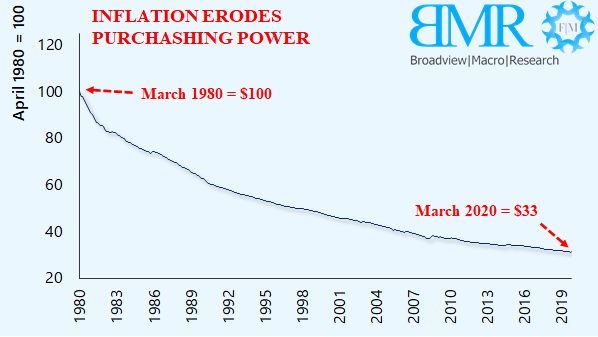
Figure 5: Inflation Erodes Purchasing Power
Source: Broadview Macro Research
Another risk to wealth longevity is having your purchasing power reduced over time by inflation. For example, did you know that when inflation is running at around 2% per year, it takes about 36 years to cut your purchasing power in half?
Or put differently, a million dollars today may only buy half that amount of today’s goods or services in less than two generations when inflation is present. Taken together, the important point here is that at each phase of the wealth management process there are risks that could prevent you from building enduring wealth.
Protect Your Wealth Today
So, what steps can you take to protect your hard-earned wealth today? Well, one way to prepare for life’s unexpected events is to incorporate a disciplined risk management process into your wealth management framework. Let’s take a look at some examples of how this risk management process applies as we create, grow, and preserve financial wealth.
Risk Management: Creating Wealth
Events that hamper your ability to use your innate talents to produce income and generate savings are key risks during the wealth creation process. One way to protect your wealth during this time is to utilize insurance as a tool to protect against financial loss.
The key to preserving your wealth during this time is ensuring you have the right amount of insurance coverage to meet every one of your financial needs. For example, COVID-19 has reminded us all of our mortality. At the same time, it has served as an important reminder that life insurance can be a useful way to create financial wealth.
This is especially true if you experience unexpected tragedy in your own life before you’ve had a chance to build the kind of wealth that will leave your loved ones protected. In a similar vein, now’s also the time to take a look at your disability coverage. More specifically, you should consider whether the limits on your disability insurance policy are sufficient to cover your living expenses should you become injured and can no longer work.
The point here is that if your goal is to build enduring wealth, you will need a method to defray some of the risks if life’s curveballs threaten to take you out of the game. In our case, insurance provides a way to defray some unknown risks and immediately creates a financial source of wealth in case of an unexpected tragedy.
Risk Management: Growing Wealth
Fees and taxes are factors that can hinder your ability to quickly build enduring wealth during the growing wealth process. Your goal during the growth process should be to maximize your risk-to-reward ratio. And one way to do this is to reduce unnecessary investment fees.
Figure 6: Active Management Has Largely Underperformed
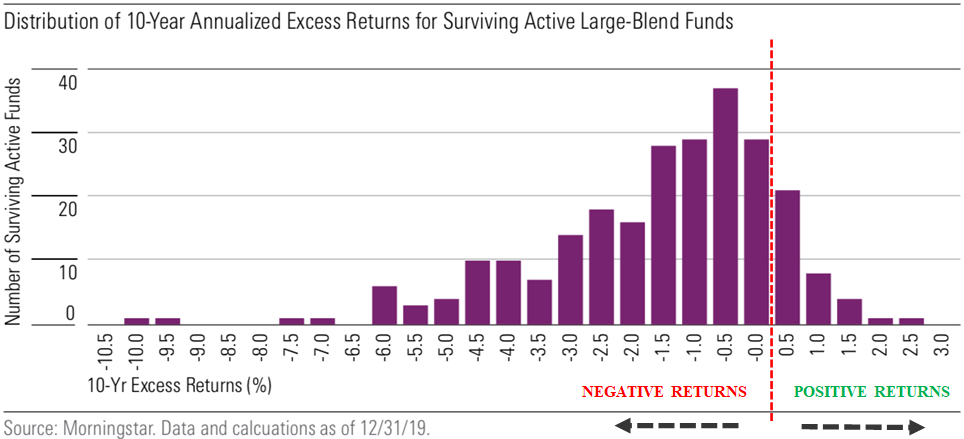
For instance, actively managed investment funds tend to charge a premium when compared to passive funds. Therefore, now’s a good time to look at the performance of these funds and consider whether what you're paying for active management is worth the premium. This is notably important at a time when active managers in some cases have underperformed their passive benchmarks.
Addressing unnecessary taxes is another way to cut your losses during the growing wealth process. This is especially true if your investments produce income and you’re not yet retired.
For example, you can minimize the taxes that you pay by making sure that income producing investments are held in tax deferred vehicle like a 401k or IRA rather than a brokerage account which is taxable.
Risk Management: Preserving Wealth
If you are planning on taking distributions from your retirement within the next year or expect to leave a legacy, protecting wealth at this phase is important now more than ever. You’ve put in the hard work to grow your money, so now’s a critical time to protect it as you move from accumulating wealth to distributing wealth.
We mentioned earlier how a sudden drop in markets can derail even the best-laid retirement plans. That’s why you’ll want to have a distribution strategy in place that addresses how retirement assets will be liquidated during periods of heightened market volatility.
For example, giving more distribution weight to an asset that is less sensitive to sharp moves in the markets and ensuring you have an adequate level of cash on hand to weather volatility is one way to prepare for such times. When it comes to leaving a lasting legacy, having a solid estate plan is where it all starts.
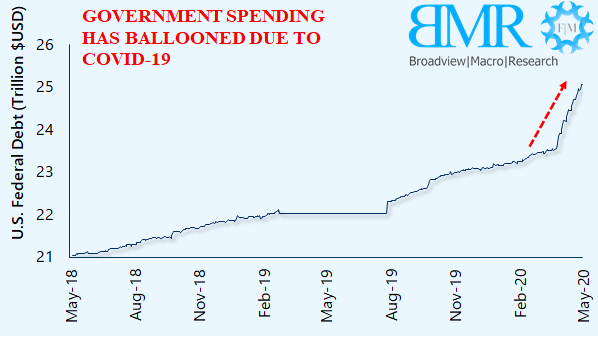
Figure 7: Federal Debt Has Ballooned Due to COVID-19
Also, you’ll want to make sure that your long-term investment management process reflects the realities of inflation. Remember, purchasing power can be cut in half in less than two generations when inflation is running at around 2% per year.
With government debt issuance ballooning by $3 trillion and Federal Reserve assets growing at an exponential rate, you’ll want to make sure that how your legacy assets are managed align with today's inflation expectations. This is important because doing so will help ensure that your wealth can adequately serve generations now and into the future.
Protecting Wealth Begins with a Process
The coronavirus certainly has exposed our varying levels of financial risk preparedness. Even so, we believe that you can take some especially important take steps right now to protect your wealth, starting with being risk-aware.
This means identifying the kinds of threats that may crop up at various life phases and then preparing for those threats as part of a disciplined risk management process. There's no doubt that when it comes to building enduring wealth it’s important to think about the steps you need to take today to create and grow your money over the long term.
However, another important step is taking the time to protect yourself against the threats that are waiting to separate you from your hard-earned wealth. Some of these steps include utilizing tools like insurance, tax and cost-efficient investing vehicles, and a solid investment, estate, and distribution plan to protect your money.
Finally, be sure to manage risks for the long term. This involves continuously evaluating the current economic and market environment to identify evolving threats to your wealth. Then use some of the tools that we’ve discussed to help mitigate those risks.
We believe that incorporating an active risk management process into your wealth management framework could ensure that your wealth endures for the long-term no matter what surprises life throws your way.